





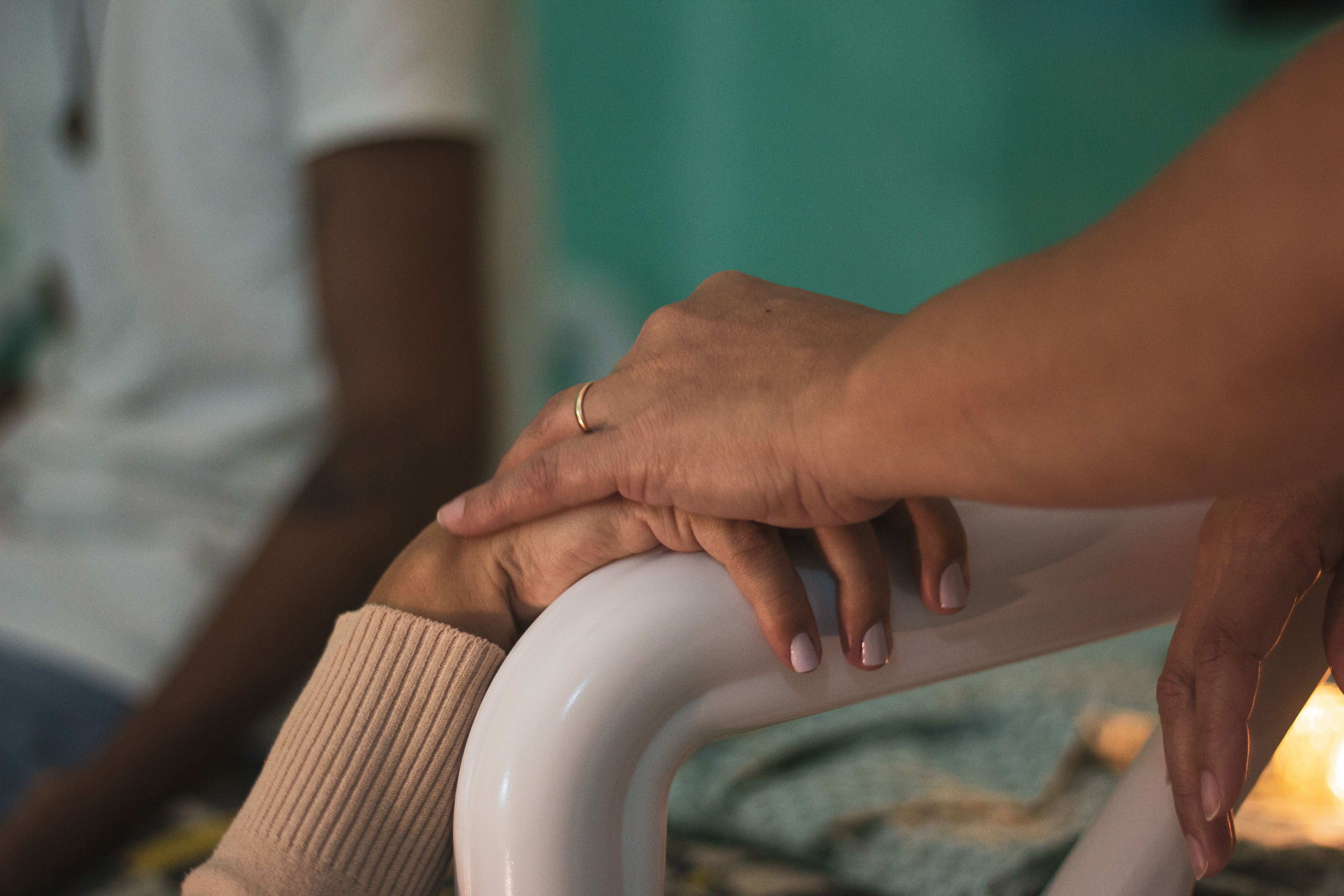
Think about your own parents for a moment, or picture yourself decades from now, in a bed you can't easily get out of. Hours spent in the same position put constant pressure on the skin, especially over the shoulders, hips, and heels, and that pressure can quietly turn into a bedsore, also called a pressure ulcer. It's painful, slow to heal, and hard to reverse once it starts. Preventing it takes something simple in theory but hard in practice: someone has to check, and someone has to move the patient, again and again, every couple of hours, day and night.
That someone is almost always a nurse, and around the world there are fewer and fewer of them for every patient who needs this kind of care. Populations are aging faster than healthcare systems can hire. If your own parents end up in long term care one day, or if you do, the person you're counting on to notice a small red mark before it becomes something worse may already be caring for a dozen other patients at once.

Where It Started: A Real Hospital, A Real Problem
Our bedsore management solution began with a request from Ajou University Hospital. For years, nurses there photographed each patient's pressure ulcers every day and sent the images to an off site wound care specialist, then waited to hear back on how the wound should be treated. It worked, but it depended entirely on how quickly that one specialist could respond, and it added yet another task to an already full day.
We built a smart patient safety management system to change that: patient risk assessments run on the desktop, connected to a mobile app nurses carry with them on the ward. A nurse takes a photo, and the AI immediately reads the stage of the wound and suggests a repositioning schedule, drawing on the patient's recent positioning history so the same posture isn't repeated. What used to take a round trip by email now happens in the time it takes to take a picture. The whole system was trained on more than three years of real pressure ulcer images from Ajou University Hospital, reviewed and labeled by wound care specialists, and it's been in real use there since, quietly catching problems early and keeping patients more comfortable.
Why This Matters Beyond One Hospital
Nurse shortages and aging populations are not a problem unique to one country. We hear the same story from hospitals and care groups elsewhere: not enough hands, not enough hours, and a growing number of elderly and long term care patients who need consistent, attentive care.
We're now looking beyond our first hospital, and we're genuinely open to working with hospitals, care groups, and partners in other countries facing the same pressures. Every healthcare system is different, and we see that as a starting point for collaboration, not a barrier, whether that means a joint project, a local trial, or a research partnership to adapt what we've built to a new setting.
Want to know more?
Check out the attachment below to learn more about our bedsore management solution. If this sounds like something your hospital or care facility could use, we'd love to talk.


