





Real-Time Patient Monitoring: Improving Hospital Workflows, Reducing Nurse Burden, and Enhancing Patient Safety
- AuthorElodie
- DateJan 22, 2026
- Views966
Hospitals and medical centers around the world are under increasing pressure. Aging populations, nurse shortages, rising operational costs, and growing expectations for patient safety are forcing healthcare providers to rethink how care is delivered.
Real-time patient monitoring is emerging as a practical and scalable solution to these challenges. By enabling continuous visibility into patient conditions, hospitals can improve workflows, reduce staff burden, and deliver safer, more proactive care.
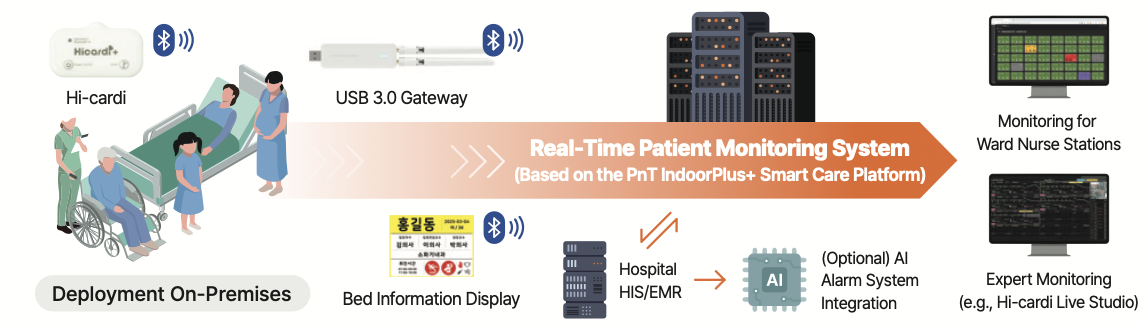
People and Technology has developed a real-time remote patient monitoring solution designed specifically for hospital environments—supporting medical staff at the bedside, and remotely from their desk.
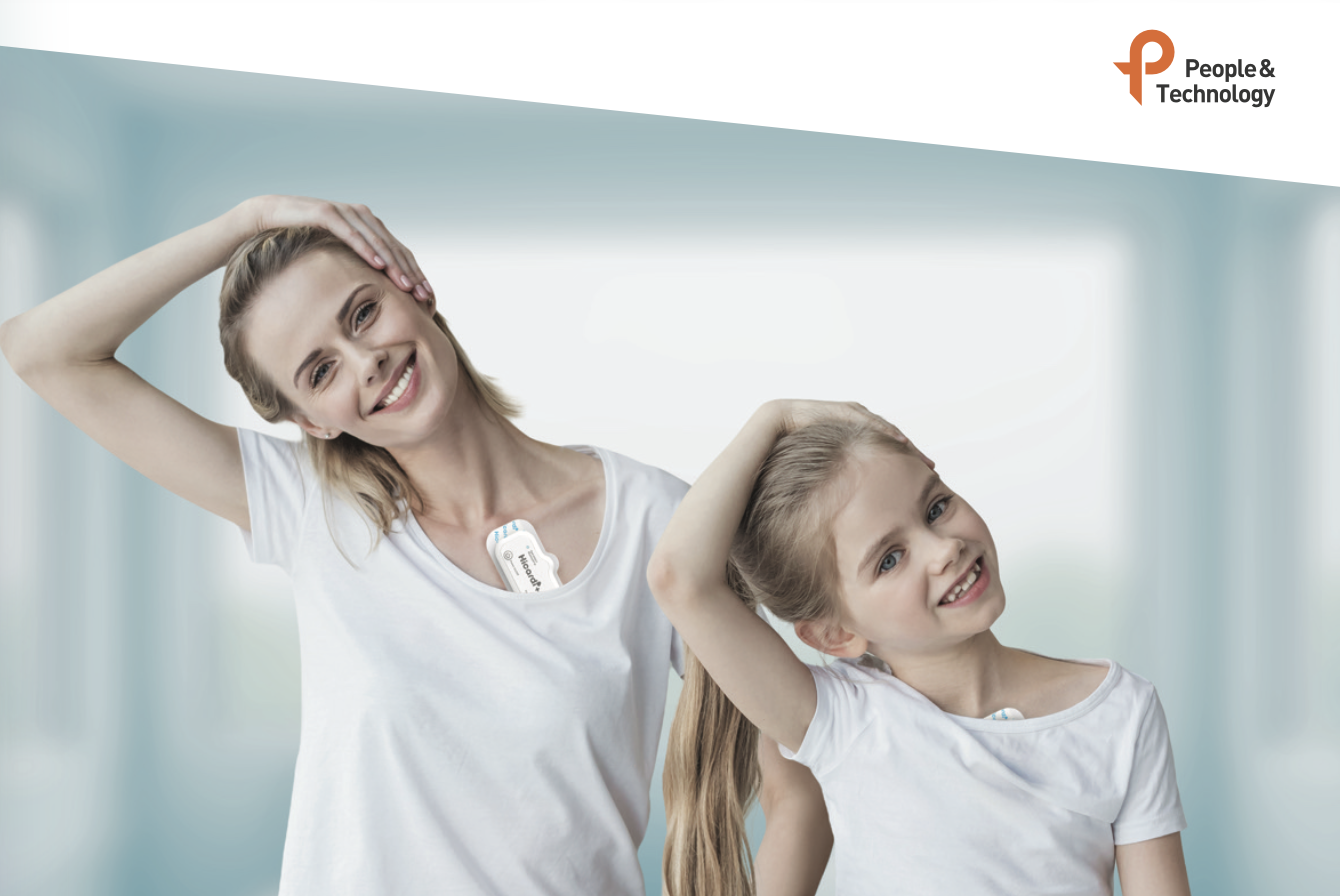
Enhancing Hospital Workflows Through Continuous Visibility
Traditional inpatient monitoring relies on intermittent vital sign checks and frequent physical rounds. This approach creates blind spots between measurements and significantly increases nurse workload.
Real-time monitoring changes this model by providing continuous access to patient vital signs across general wards, recovery rooms, stabilization units, and specialized care areas. Medical staff can view patient status at a glance through centralized dashboards, allowing them to:
-
Detect changes in patient condition earlier
-
Respond faster to clinical risks
-
Reduce unnecessary movement between rooms
-
Improve coordination between nurses and physicians
By shortening workflows and minimizing manual checks, hospitals gain greater operational efficiency and faster clinical decision-making, without adding complexity to existing systems.
Reducing Nurse Workload and Stress—Without Compromising Care Quality
One of the most immediate benefits of real-time patient monitoring is its impact on nursing staff.
Continuous monitoring reduces repetitive manual measurements and minimizes alarm fatigue through configurable thresholds and environment-specific alert settings. This allows nurses to focus on patients who truly need attention, rather than reacting to unnecessary alerts.
As a result, hospitals can:
-
Reduce physical fatigue and psychological stress among nurses
-
Prevent missed changes in patient conditions
-
Improve focus on direct patient care and communication
By saving time and energy, real-time monitoring helps transform nursing workflows—allowing staff to spend less time managing devices and more time caring for patients.
Improving Patient Safety and Satisfaction
From the patient’s perspective, wearable-based monitoring offers a safer and more comfortable experience.
Wireless devices reduce risks associated with cables, such as falls or entanglement, while enabling uninterrupted monitoring even when patients move for examinations, bathing, or rest. Continuous observation supports:
-
Earlier detection of clinical deterioration
-
Safer inpatient environments
-
Greater peace of mind for patients and families
By preventing complications and enabling timely intervention, real-time monitoring contributes to more accurate diagnosis, better treatment planning, and higher overall patient satisfaction.
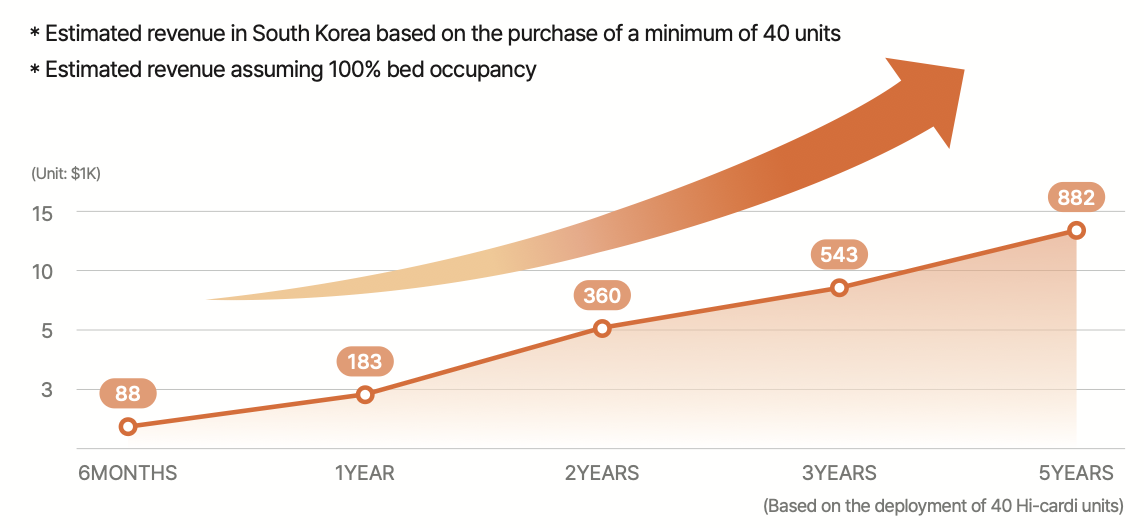
A Simple and Sustainable Reimbursement Model in Korea
In South Korea, real-time patient monitoring is supported by a straightforward reimbursement structure that makes adoption financially viable for hospitals while benefiting patients and insurance providers.
When a patient uses a real-time monitoring device such as Hi-cardi, the hospital charges a daily monitoring fee (approximately USD 13 per day) as part of the hospital bill. While a small portion may be covered by the patient, most of this cost is reimbursed by the national health insurance system.
This model works because real-time monitoring helps prevent costly medical complications.
By continuously tracking vital signs such as ECG, respiration rate, oxygen saturation, and skin temperature, clinicians can detect early warning signs before a patient’s condition deteriorates. Early intervention helps avoid situations where patients must be transferred to high-cost departments such as the ICU, emergency medicine, or specialized critical care units due to late detection.
From an insurance perspective, reimbursing a modest daily monitoring fee is far more cost-effective than covering:
-
Emergency transfers
-
Intensive care admissions
-
Prolonged hospital stays caused by preventable complications
This creates a win–win–win model:
-
Patients receive safer, more proactive care
-
Hospitals gain a sustainable way to deploy continuous monitoring
-
Insurers reduce the risk of paying for significantly more expensive downstream treatments
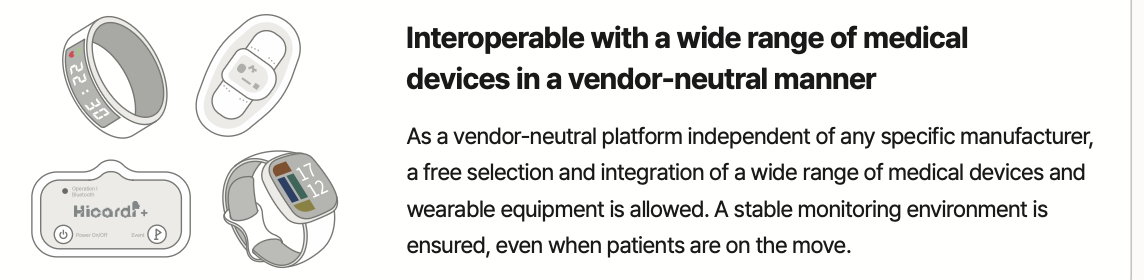
An Open, Vendor-Neutral Ecosystem for Comprehensive Vital Sign Monitoring
People and Technology’s real-time monitoring platform is designed as a vendor-neutral ecosystem, allowing hospitals to integrate multiple medical and wearable devices based on clinical needs and local regulations.
In Korea, we currently collaborate with trusted partners, including:
-
Charmcare for blood pressure monitoring
-
Nonin for SpO₂ monitoring
-
Mezoo, with its Hi-cardi device for ECG, respiration rate, and skin temperature
At the same time, we are actively expanding our portfolio by integrating additional domestic and global medical device vendors. This approach enables faster deployments, regulatory alignment in different regions, and greater flexibility for hospitals.
We are open to new vendor partnerships and device integrations to build a truly comprehensive real-time vital signs monitoring solution.
Building the Foundation for Smarter, Safer Hospitals
Real-time patient monitoring is no longer just a technological upgrade—it is a strategic tool for workflow optimization, staff well-being, and patient safety.
By reducing nurse workload, preventing complications, and enabling sustainable reimbursement models, People and Technology helps hospitals move from reactive care to proactive, data-driven patient management.
With over a decade of experience in hospital IoT, RTLS, and AI technologies, People and Technology continues to support medical institutions in building resilient, efficient, and future-ready smart hospitals.

